15th Dec, 2022 10:00am Printed Books, Maps & Playing Cards, Jane Austen, Children's & Illustrated Books, Modern Literature
Lot 971 - Tolkien (J.R.R). The Lord of the Rings, 3 volumes, 1965
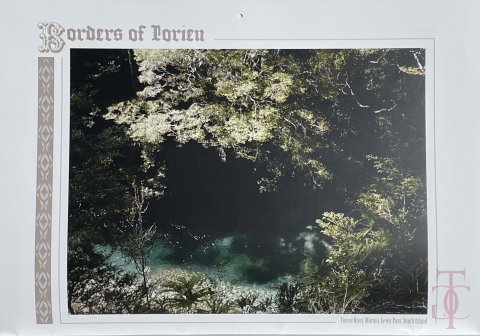
May “Borders of Lorien”
Tolkien (J.R.R). The Lord of the Rings: The Fellowship of the Ring, 14th impression, 1965; The Two Towers, 11th impression, 1965; The Return of the King, 11th impression, 1965; London: George Allen & Unwin, folding map to end of each volume, top edge red, bookseller's ticket to front pastedown lower margin, original red cloth gilt, dust jackets, spines toned, extremities lightly rubbed, 8vo
Lot 972 - Tolkien (J.R.R.) Lord of the rings 3 volumes mixed impressions
You should always exercise good judgement and perform appropriate due-diligence when acquiring signed items to ensure that you are satisfied with the provenance and integrity of any item you bid on.
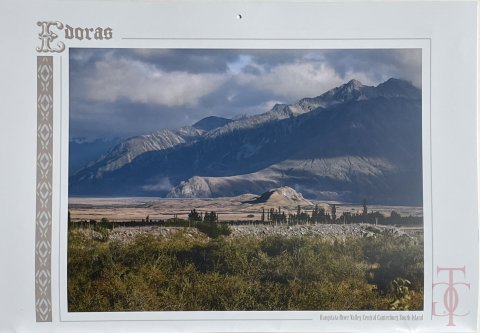
June “Edoras”
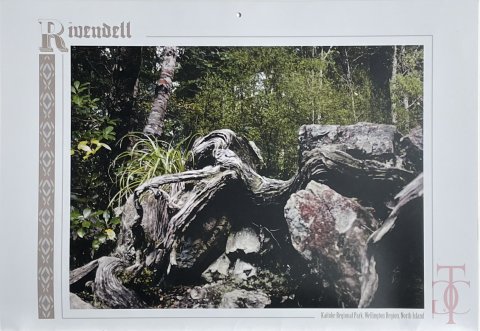
July “Rivendell”
Tolkien (J.R.R.) Lord of the Rings: The Fellowship of the Ring, 13th impression, 1963; The Two Towers, 10th impression, 1963; The Return of the King, 10th impression, 1963, folding map at end of each, a few minor spots, original red cloth, some light fading and marks to spines, contained in a later slipcase, together with a small white card signed by the author loosely inserted
Lot 973 - Tolkien (J.R.R.) Lord of the Rings, 3 volumes, 1970-71
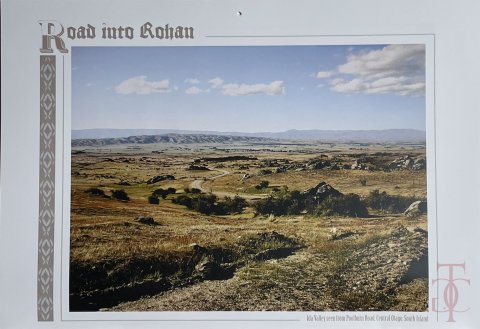
August “Road into Rohan”
Tolkien (J.R.R.) The Lord of the Rings: The Fellowship of the Ring, 2nd edition, 5th impression, 1970; The Two Towers, 2nd edition, 5th impression, 1970; The Return of the King, 2nd edition, 6th impression, 1971, folding map at end of each, bookplate and previous owner signature to Two Towers, original cloth, Return with small insect predation at foot of spine, some light flecked stains to covers, dust jackets, some chips and tears, some adhesive tape repairs and edge wear, 8vo, together with The Lord of the Rings, 3 volumes, Folio Society, 1977 in slipcase (spine lettering to Fellowship partly rubbed away), another Folio Society set of the same, 2nd impression, 1979, The Hobbit, Folio Society, 1976, and Master of Middle-earth. the Achievement of J.R.R. Tolkien, by Paul H. Kocher, 1973
The slipcase in Lot 972, looks good if you have a set of the Deluxe LOTR without the original slipcase. I am not a big fan of cut-out signatures as you have no idea where it came from.
It is also possible that the red cloth-bound books could be Deluxe editions, they have turned up before in the red, not black, binding.
The slipcase in Lot 972, looks good if you have a set of the Deluxe LOTR without the original slipcase. I am not a big fan of cut-out signatures as you have no idea where it came from.
It is also possible that the red cloth-bound books could be Deluxe editions, they have turned up before in the red, not black, binding.
I am wondering is there a way to recognize a deluxe edition other than the color.. ?
Edited by Stu on 2022-12-2 7:54:29 PM UTC Edited by Stu on 2022-12-2 7:56:59 PM UTC Edited by Stu on 2022-12-2 7:59:09 PM UTC Edited by Stu on 2022-12-2 8:01:50 PM UTC Edited by Stu on 2022-12-3 5:05:03 AM UTC
2022-12-2 7:48:45 PM UTC
Trotter wrote:
The slipcase in Lot 972, looks good if you have a set of the Deluxe LOTR without the original slipcase. I am not a big fan of cut-out signatures as you have no idea where it came from.
It is also possible that the red cloth-bound books could be Deluxe editions, they have turned up before in the red, not black, binding.
The proof set, I believe, was red buckram rather than uncoated/unstarched red cloth. I think one would need to see the end-papers of these to know if they were anything other than a trade 1963 in a leftover slipcase. Hard to really see what the cloth is exactly.
Assuming trade, I think the slipcase is the main value here (given the cut signature could be anything, really - I don't trust people who claim to be able to validate lone signatures with any degree of certainty).
Assuming a proof set, I think that lends circumstantial weight to the signature as well, as they would all have had to have come out of GA&U from an employee with access.
Re: Stu: "I don't trust people who claim to be able to validate lone signatures with any degree of certainty". Whether to "trust people" is up to you, of course (though offering an opinion when asked is not the same as seeking trust). Also, I'm not sure what you mean to encompass in the term "validate". But that being said:
Does the signature look right? Yes (Mr. Underhill), to a very high degree. Does that judgment in itself guarantee its authenticity or (Stu) constitute a claim of such? No, of course not (after all, the goal of the forger is to be as convincing as possible). As always, it comes down to identifying and weighing available evidence; and as always, caveat emptor.
Re: Stu: "I don't trust people who claim to be able to validate lone signatures with any degree of certainty". Whether to "trust people" is up to you, of course (though offering an opinion when asked is not the same as seeking trust). Also, I'm not sure what you mean to encompass in the term "validate". But that being said:
Does the signature look right? Yes (Mr. Underhill), to a very high degree. Does that judgment in itself guarantee its authenticity or (Stu) constitute a claim of such? No, of course not (after all, the goal of the forger is to be as convincing as possible). As always, it comes down to identifying and weighing available evidence; and as always, caveat emptor.
My comment was actually written before Mr Underhill's request for your comment and was not pointed at anyone in particular. Thus is the nature of forum threads - The chronology of the rendered thread does not necessarily represent the chronology of the writing. My comment was aimed at the signature verification industry in general (whoever that might encompass). That said, a cut signature can't be verified with any degree of certainty. The forger could do 1,000 attempts before landing on the right one, and in the case of Tolkien (or major sports stars), there are so many examples to work from on the internet that *any* specific validation expertise is irrelevant at this point - the forger simply needs to be able to make a good copy. The Mona Lisa was convincingly copied. A JRRT signature is several orders of magnitude easier to pull off.
That said, I don't think this signature is a forgery - I have no way of knowing either way (or even have an opinion). Best anyone can say (about this or any cut signature) is "it doesn't have anything specifically that looks wrong about it". That's why I think such signatures have no real value. Others may think otherwise, and all power to them.









 23
23